
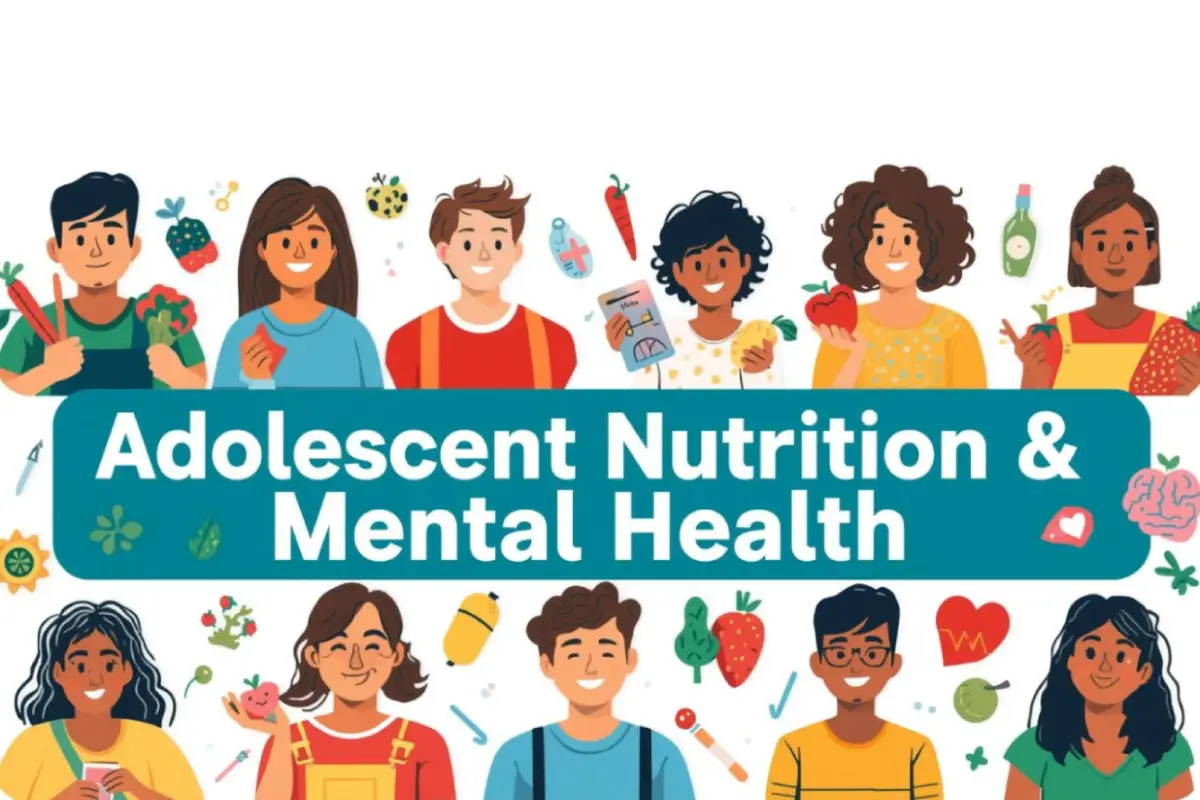
Why Healthy Nutrition Matters for Teen Mental Well‑Being?
Healthy nutrition and a balanced diet provide a practical and effective approach to improving adolescent mental well‑being by supporting mood regulation, reducing anxiety, and strengthening overall emotional health.
In recent years, adolescent nutrition and mental health have become growing concerns for families, educators, and healthcare professionals worldwide. Rising rates of anxiety, depression, and emotional instability among teenagers have prompted researchers to explore modifiable lifestyle factors that could help support psychological well-being. One surprisingly powerful factor is nutrition.
A new study from Swansea University suggests that what teenagers eat may directly influence their mood, anxiety levels, and overall psychological functioning. While diet has traditionally been associated with physical health, emerging evidence now highlights its important role in supporting adolescent mental health.
The Link Between Diet Quality and Adolescent Mental Health
In the recent study, researchers examined dietary patterns among teenagers and compared them with psychological indicators such as anxiety symptoms, depressive mood, and emotional regulation. The findings revealed that adolescents who followed healthier dietary patterns reported fewer symptoms of depression and anxiety.
A healthy dietary pattern included:
- Higher intake of fruits and vegetables
- Whole grains instead of refined carbohydrates
- Lean proteins such as fish, legumes, and nuts
- Reduced consumption of ultra-processed foods
- Limited added sugars and sugary beverages
Although the effects were not perfectly consistent across all participants, the overall trend indicated a positive association between diet quality and adolescent mental health outcomes.
These findings reinforce a growing body of research suggesting that everyday food choices may play a meaningful role in emotional resilience during adolescence.
Why Does Nutrition Influence Mood and Anxiety?
The relationship between food and mental well-being is biologically complex. Several mechanisms may explain how diet influences adolescent mental health.
-
The Gut-Brain Axis
The human gut contains trillions of beneficial bacteria collectively known as the gut microbiome. This ecosystem plays a crucial role in regulating neurotransmitters such as serotonin, often referred to as the “feel-good” chemical.
A diet rich in fiber, vegetables, and natural foods supports microbiome balance. In contrast, highly processed and sugar-rich diets may disrupt this balance, potentially affecting mood regulation and emotional stability.
Since adolescence is a critical period for brain development, maintaining a healthy gut environment may be especially important for supporting mental well-being during these years.
-
Inflammation and Mood Disorders
Highly processed diets high in refined sugars and unhealthy fats can increase systemic inflammation. Chronic inflammation has been linked in multiple studies to depressive symptoms and anxiety disorders.
By reducing processed foods and emphasizing whole, nutrient-dense meals, it may be possible to lower inflammation levels—thereby indirectly supporting adolescent mental health.
-
Essential Micronutrients for Brain Function
The adolescent brain is still developing and requires adequate nutrients to function optimally. Micronutrients such as:
- B vitamins
- Omega-3 fatty acids
- Iron
- Magnesium
- Zinc
are essential for neurotransmitter production, cognitive function, and emotional regulation.
Deficiencies in these nutrients have been associated with fatigue, reduced concentration, and mood disturbances. A balanced diet ensures that teenagers receive the nutritional foundation necessary for both academic performance and psychological stability.
Why Adolescence Is a Critical Window
Adolescence is a unique developmental stage marked by rapid neurological growth, hormonal changes, and increased social pressures. Emotional regulation systems are still maturing, making teenagers more vulnerable to stress and mood fluctuations.
Habits formed during adolescence often continue into adulthood. Establishing healthy eating patterns during this stage not only benefits physical health but may also provide long-term protection for adolescent mental health.
Moreover, teenagers today face academic competition, digital overstimulation, social media pressures, and performance expectations. Nutritional support may enhance resilience and coping capacity in this demanding environment.
Practical Guidance for Families and Schools
One of the most encouraging aspects of this research is that adolescent nutrition improvements do not require drastic or expensive interventions. Small, consistent changes can make a meaningful difference.
Practical steps include:
- Adding at least one extra serving of fresh fruit daily
- Replacing sugary drinks with water or unsweetened beverages
- Choosing whole-grain bread and rice
- Including fish or legumes weekly
- Limiting fast food to occasional consumption
Schools can also contribute by promoting nutrition education, offering healthier cafeteria options, and integrating food literacy into wellness programs.
Even modest improvements in diet quality may positively influence adolescent mental health over time.
Final Thoughts
The growing body of evidence suggests that adolescent nutrition and healthy eating are not only physical health strategies but also potential psychological support tools. While no single intervention can fully address the complexity of mental health challenges, improving diet quality represents a simple, accessible, and proactive step toward strengthening adolescent mental health.
In a time when anxiety and depression among teenagers are increasing globally, empowering families with practical, science-based strategies is essential. Nutrition may not be the only solution—but it is one powerful piece of the puzzle.
Daily food choices matter. And for teenagers navigating one of the most transformative stages of life, those choices may influence far more than just physical growth.
Source
Swansea University. (2026, February 12). Inconsistent Effects, but This Dietary Strategy Could Actually Improve Teens’ Mental Health. Health Science Report.